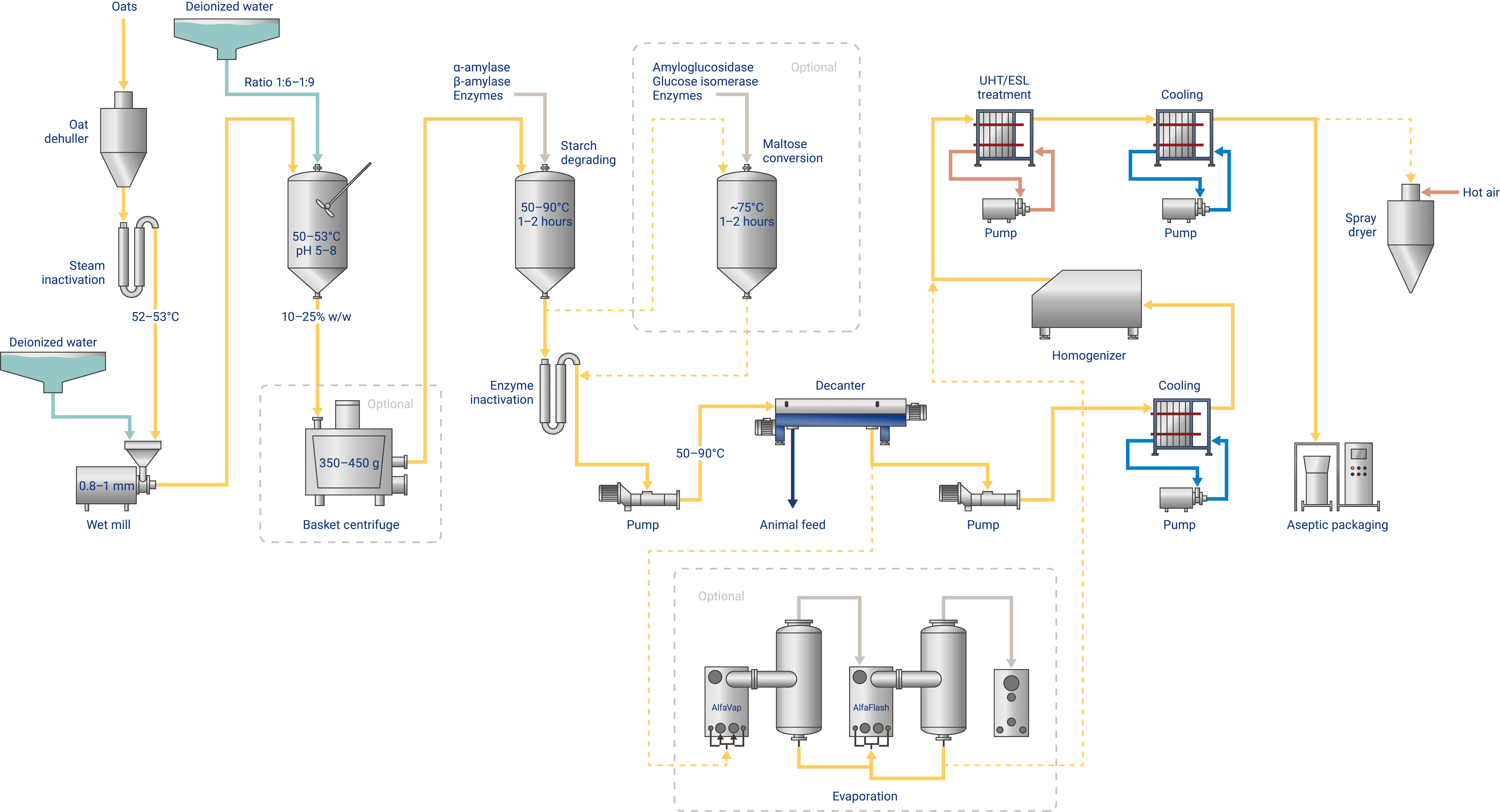
Plant-based drink production
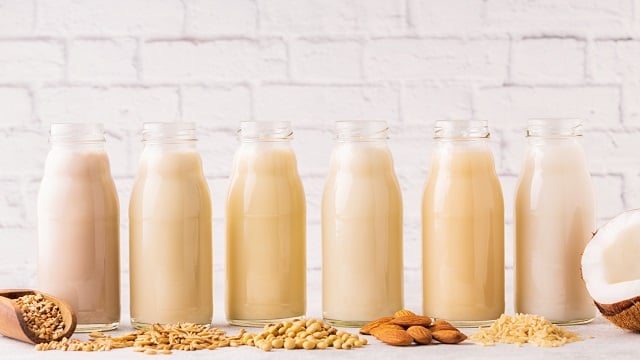
Plant-based drinks production continues to expand as producers respond to changing consumer preferences, sustainability requirements, and quality expectations. Whether launching a new line, increasing capacity, or diversifying formulations, manufacturers must balance taste, texture, shelf life, and cost efficiency. Optimized process design, flexible technology choices, and reliable scale-up are essential to maintain consistent product quality across raw materials, markets, and production volumes
Process challenges and practical solutions
- Raw material variability impacts flavour and stability and feedstock-specific processing improves consistency
- High energy and water demand increases operating costs and optimized process integration reduces resource use
- Texture and mouthfeel inconsistencies limit product acceptance and controlled thermal and mechanical treatment enhances quality
- Scaling production risks quality deviation and modular systems support predictable scale-up
- Sustainability expectations pressure margins and efficient plant based solutions lower environmental impact
Plant-based drinks production requires precise coordination across raw material handling, thermal treatment, separation, and mixing to deliver consistent results at scale. Differences in protein content, fiber structure, and fat composition influence process behavior and final product quality, making tailored plant-based drinks processing essential.
By combining proven technologies with application-specific configuration, producers can protect taste, texture, and shelf life while improving energy efficiency and water utilization. Integrated plant based solutions also support higher yields, reduced waste streams, and reliable production of plant based beverages and plant protein drinks across global markets.