
Neutralization systems
Increase the quality, stability and shelf life of edible oils with Alfa Laval neutralization systems. These high-performance acid systems remove free fatty acids and other impurities from crude oil, ensuring cleaner, more stable oil. Tailored to your needs, these systems boost yield, enhance taste, and streamline downstream operations. By supporting the complete refining process of edible oil, they reduce oil loss and operating costs while ensuring quality edible oil.
Improve edible oil refining with reliable neutralization systems
- Ensure more uptime and longer service life through robust system design
- Maximize edible oil quality, taste, shelf life and yield
- Boost operational reliability and efficiency
- Minimize oil loss and reduce operating costs
- Simplify installation, operation and maintenance
Achieve consistent performance in your edible oil refining with Alfa Laval neutralization systems, designed to optimize every stage of the process of neutralization. These acid neutralization systems effectively remove free fatty acids and associated impurities, reducing acidity and enhancing oxidative stability.
Engineered for high-efficiency refining, these neutralization systems reduce operating costs, maintain consistent product quality, and maximize yield. And with Alfa Laval’s global network of service centers and partners, you have easy access to reliable local support throughout the lifecycle of your system.
With Alfa Laval's neutralization systems, you can enjoy true peace of mind knowing that optimized processes are in place to boost the productivity and yield of your edible oil refining processes.
How neutralization of oil works
The greater the free fatty acids, the more challenging the purification process and the stronger the caustic soda concentration needed to neutralize and remove them. First, crude oil is heated, dosed with acid, mixed, dosed with caustic soda (lye), and mixed again. It is then transferred to the retention tanks where the bonds between the oil and free fatty acids and other impurities are broken.
Next, neutralization of fats and oils is carried out continuously using disc stack centrifuges. Generally speaking, there are two methods to neutralize fats and oils:
Long-mix refining process for crude soybean or rapeseed oil
To neutralize the free fatty acids, the heated crude oil is dosed with acid and lye and remains in contact with caustic soda in special retention mixers for an extended period of time. The oil is then heated and transferred to disc stack centrifuges where soapstock and wash water are separated from the refined oil in a single stage.
Multi-mix refining process for virtually any oil
Here the crude oil comes into contact with the caustic soda for a short period of time. It then goes through one to two stages of washing. When processing cottonseed oil or low-quality crude fats and oils, a second lye treatment, known as re-refining, is necessary.
Once neutralization is complete, the oil is washed. The wash water is then removed using disc stack centrifuges. The oil is transferred to a vacuum dryer for drying. The free fatty acids and other impurities (sugars, pigments and trace metals) separated from the oil are sent for downstream for processing into soapstock.
Alfa Laval also offers neutralization systems for miscella refining of cottonseed oil as well as cold refining of sunflower or maize/corn oil.
Our customers
The Imcopa soybean oil refinery
The Imcopa soybean oil refinery in Brazil decided on an upgrade path to tackle very high steam costs, plus problems with poor heat recovery in the company’s existing plant.
Benefiting from the Alfa Laval retrofit concept, Imcopa upgraded an existing deodorizer and installed a new neutralization and bleaching line, plate heat exchangers, mixers and a PX 95 separator. This enabled the company to boost refinery capacity from 400 to 600 tonnes per day. This retrofit strategy, combined with Alfa Laval heat transfer technologies, enabled Imcopa to reduce overall production costs by more than USD 3 per tonne of oil – the investment paid for itself in less than 2 years.
The Bunge Group
The Bunge Group is a global agribusiness and food operation. The group’s Food Products division is Latin America’s largest oil seed processor and largest seller of bottled oils to the retail market. To extend this position, Bunge has invested in the largest vegetable oil refinery in Latin America. Located in Brazil, this major plant has a capacity of 1200 tonnes per day.
Alfa Laval is responsible for the complete refinery, featuring a neutralization section with two PX 110 separators, a bleaching process installation and a complete SoftColumn deodorization solution.
Neutralization System Process
The Alfa Laval Neutralization System consists of heat exchanges, dosing pumps, mixers, agitators and disc stack centrifuges.
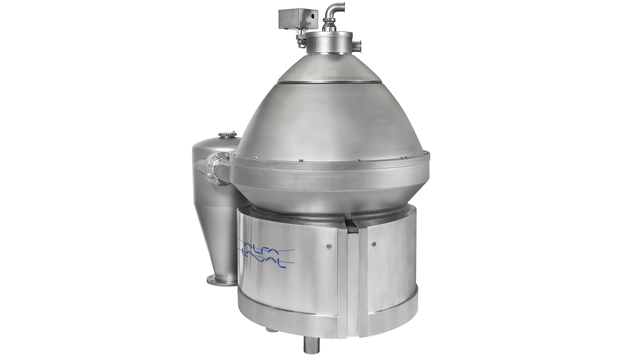
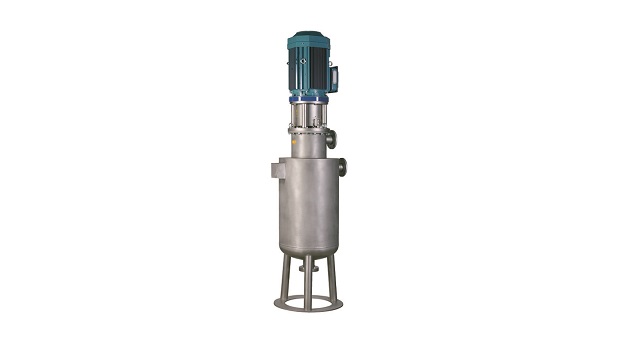
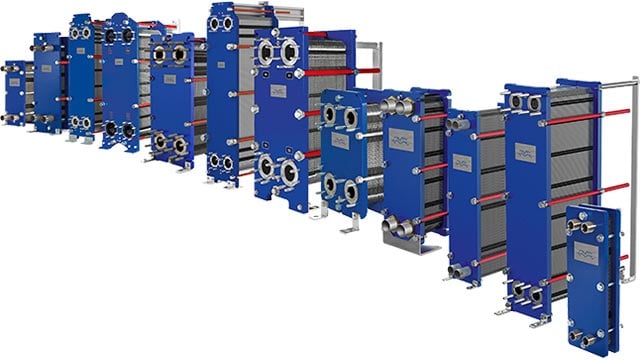
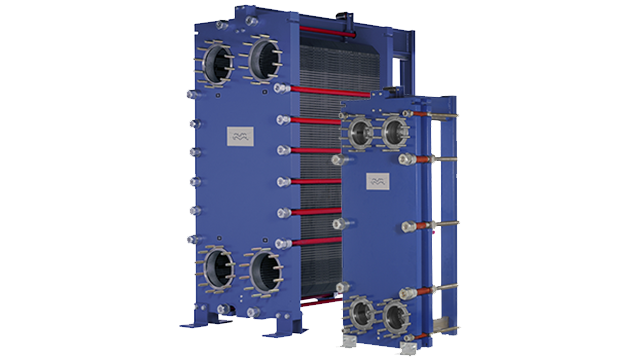
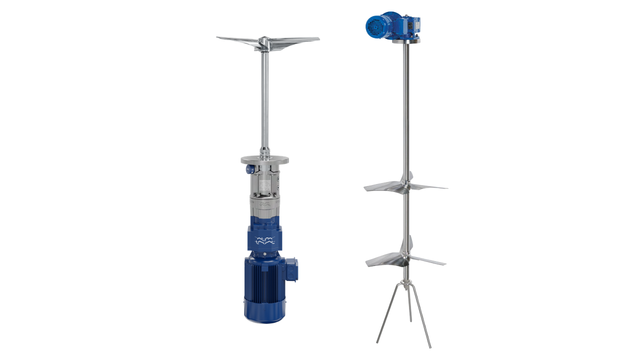
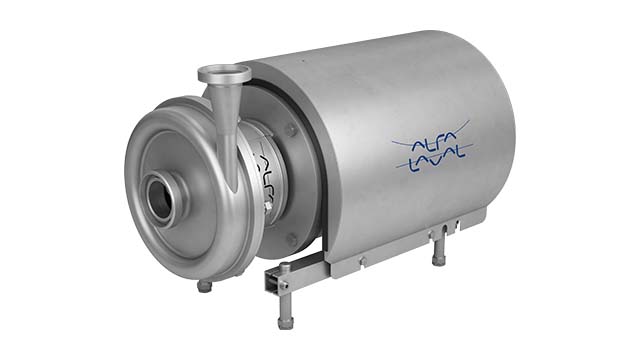
Key edible oil processing equipment used in our systems
Elevate the performance of your edible oil refining systems
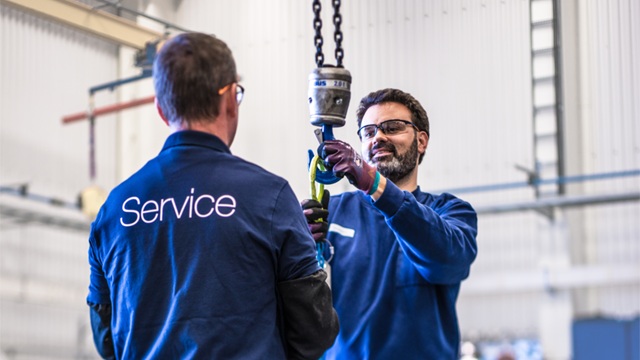
Resource-smart production is essential as edible oils play a critical role in global food security. Optimize your processes over the entire lifecycle of your edible oil systems with the Alfa Laval service portfolio.
Leverage our full range our services - from system design, precision engineering, and effortless installation to commissioning, cost-effective operation, routine maintenance, and system upgrades.
With tailored service agreements, you can reduce waste, safeguard product quality, simplify operations, and maximize your return. Focus on the growth of your business while our global network and local providers take care of the rest.
Webinar for the Edible Oil industry
Our experts share know-how to optimize edible oil refining processes, remove impurities and volatile components for better product quality, safety and yield.